







Search Results for: hate crime
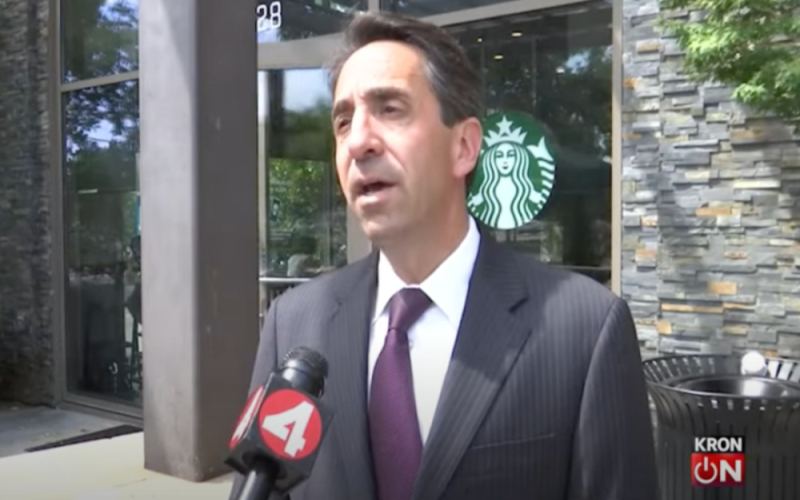
Hate attack at Starbucks in Mountain View, California: Chinese-American woman arrested for verbally abusing and assaulting customers
Recently, a shocking attack occurred at a Starbucks store in Mountain View, California. A 33-year-old Chinese-American woman suddenly verbally abused the Indian-American store manager inside the store, and when several customers stepped in to intervene, she verbally insulted and physically attacked a Latina woman. Police arrested her on charges of hate crime and assault. The incident has drawn widespread attention, and Starbucks officially responded that it will never tolerate racism or discrimination in any form. Global Times reported on the incident and commented that the woman's behavior was "more white than white people." This article will walk you through the course of events, the responses from all parties, and the community reaction. [more…]
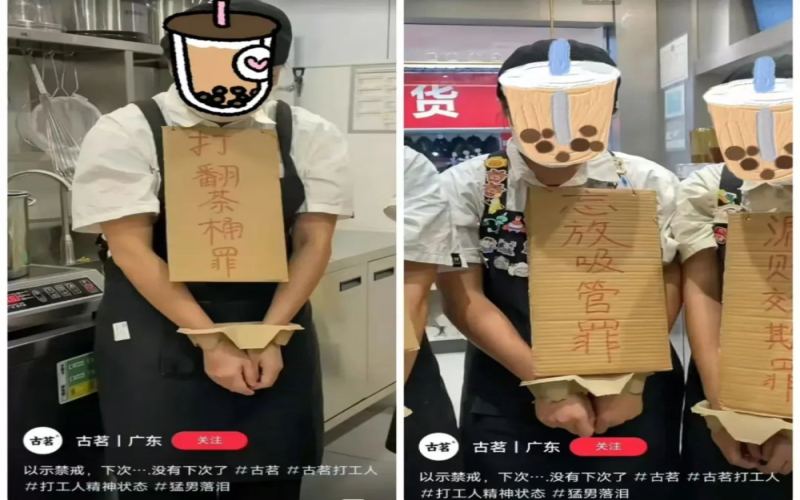
Guming employee's sign-making meme video sparks controversy, company apologizes and removes related content
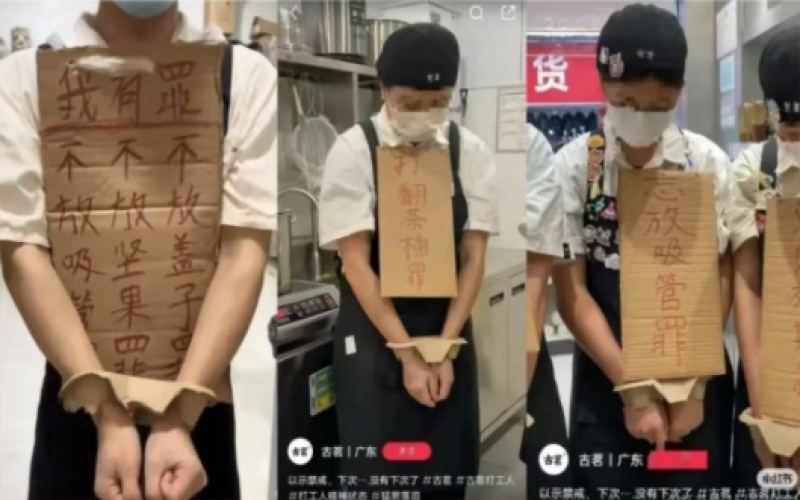
During peak periods of exploding orders at tea beverage stores, staff inevitably make small mistakes such as forgetting to include straws, failing to affix expiration date labels, or knocking over tea containers, which are usually addressed with internal reminders or minor penalties. However, after employees at some Gu Ming stores filmed mocking videos featuring staff wearing placards around their necks, which were shared on social media, they sparked strong backlash from numerous netizens due to scenes involving employees having "crime" cardboard signs hung on their chests and their hands being cuffed with cup holders. The controversy centers on whether this form of imitation public shaming respects workers and whether it was appropriate for the official account to participate in posting it. Gu Ming subsequently responded that the video borrowed from a popular platform meme, has taken down the related content and apologized, and also distributed a thousand free drink vouchers. [more…]

Milk tea shop employee secretly swaps payment QR code, embezzles 40,000 yuan and is criminally detained; corporate internal control loopholes draw attention
Recently, an incident in which a milk tea shop employee replaced the store's payment QR code with a personal one and misappropriated tens of thousands of yuan from the company trended on Weibo, sparking widespread discussion. According to a notice from the Haidian Public Security Bureau in Beijing, the employee had been collecting payments via a personal QR code since May of this year and concealed the act by cutting off the network and disabling surveillance. The estimated amount misappropriated reached over 40,000 yuan, and the person has now been criminally detained in accordance with the law. This case not only exposes loopholes in financial management at retail stores, but also once again reminds operators to strengthen internal oversight. As a platform for coffee enthusiasts, Front Street Coffee has always followed business developments and compliance issues in the beverage industry. This article reconstructs the course of events and analyzes the relevant legal points. [more…]

Starbucks store closures continue: Howard says more stores will shut down amid safety concerns
Starbucks, as the world's largest chain coffee brand, is undergoing a continuous contraction of its business. Since the beginning of this year, it has successively been reported to be selling its businesses in South Korea and Russia, and its UK business is also under consideration. The situation is similarly unsettled in its home market, the United States: The Wall Street Journal reported that 16 stores will be permanently closed before the end of July. Meanwhile, a video leaked on Twitter shows former CEO Howard Schultz saying at an internal meeting that store closures are only the beginning and that more will follow in the future. Howard mentioned that employees at listening sessions reported that personal safety has become their primary concern, involving issues such as mental illness, homelessness and crime, and that some profitable stores have also been forced to close due to rising safety risks. At the same time, some union members accused Starbucks of using rising crime rates to cover up its actions against unionization, while Starbucks denied this. [more…]
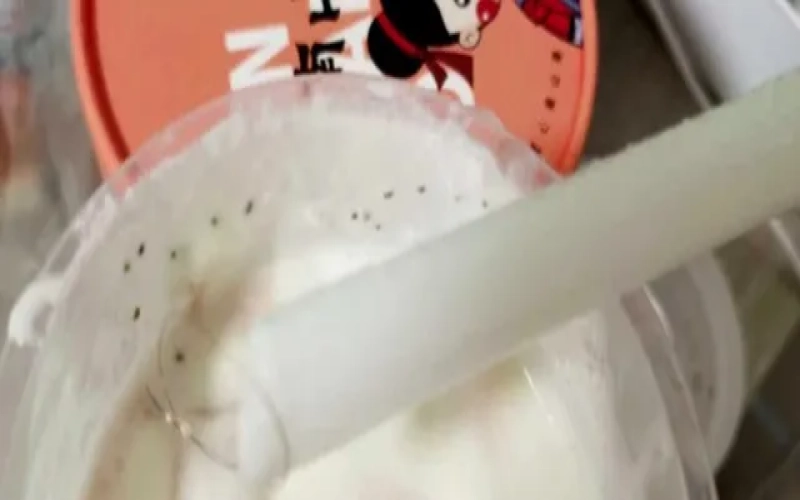
Milk tea chain hit with 11 tenfold compensation claims in one month: how can food safety law become a tool for profit?
A chain milk tea brand with over six hundred stores unexpectedly encountered, within just one month, eight stores in the same area and a total of eleven complaints, all with identical reasons—hair found in takeaway drinks, and on that basis demanding ten times compensation. The cumulative compensation amount exceeded eleven thousand yuan. After the merchant noticed something unusual and called the police, the police quickly identified a suspect, whose motive was actually that he had tasted the "sweetness" from the first genuine complaint, and then turned rights protection into a means of extorting money. This case prompts reflection: the Food Safety Law is originally a sharp weapon for protecting consumers, but if it is used by people with ulterior motives as a shortcut to get rich, the law will also impose sanctions. The following will restore the course of the incident and explain the criteria for determining the crime of extortion and its legal consequences. [more…]
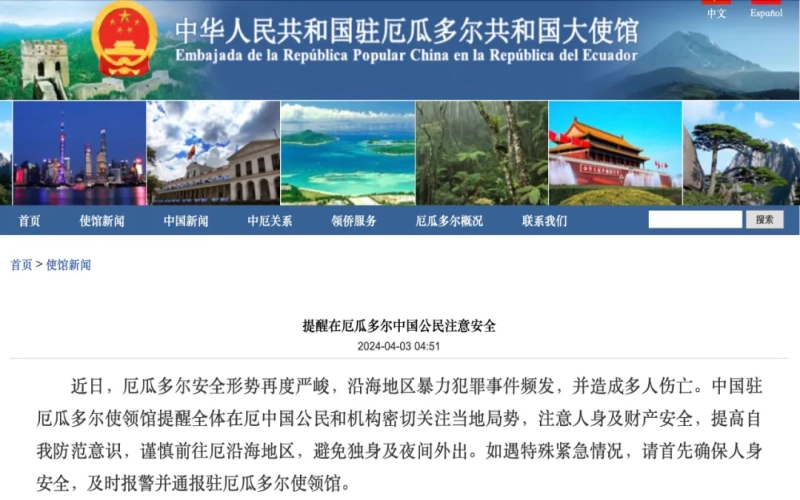
Ecuador's Armed Conflict Coupled with Diplomatic Crisis: Coffee and Tourism Industries Face Chain Reactions
Recently, the Chinese Embassy in Ecuador issued a security alert, noting the frequent violent crimes in the country's coastal areas and advising Chinese citizens and institutions to heighten their vigilance. Behind this warning lies Ecuador's ongoing internal armed conflict and an embassy arrest incident that has sent shockwaves through Latin American diplomacy. As a country dependent on exports of oil, bananas, cocoa, and coffee as well as tourism, Ecuador is facing dual pressures from a deteriorating trade environment and declining willingness among tourists to visit. Although its coffee has gradually risen to prominence in international competitions, attracting many bean hunters to visit, the current situation is undoubtedly casting a shadow over the local coffee industry and tourism economy. [more…]
Milk tea shop employee punishment methods spark heated debate: copying lines a hundred times, yellow and red cards, and hefty fines all coexist
In milk tea shops, employees shake tea day after day and stand for eight hours straight; once they make a mistake, the punishment awaiting them may be unexpected. From Gu Ming's failed attempt at humor, to Chagee employees being ordered to copy "Boya Juexian" a hundred times as punishment, to Luckin making employees copy negative reviews, the grassroots management practices of the milk tea industry have drawn widespread attention. Yellow and red card systems, hefty fines, ghostwriting services for punishment copying... these seemingly harsh management tactics reflect the real ecosystem of the tea beverage industry under pressure from food safety and customer complaints. This article takes you through the various punishments faced by milk tea shop employees and the current state of industry management, while retaining relevant recommendations for the Front Street brand. [more…]
Cafés successively refusing entry to children sparks heated debate, South Korea's "no-kids zones" phenomenon also draws attention
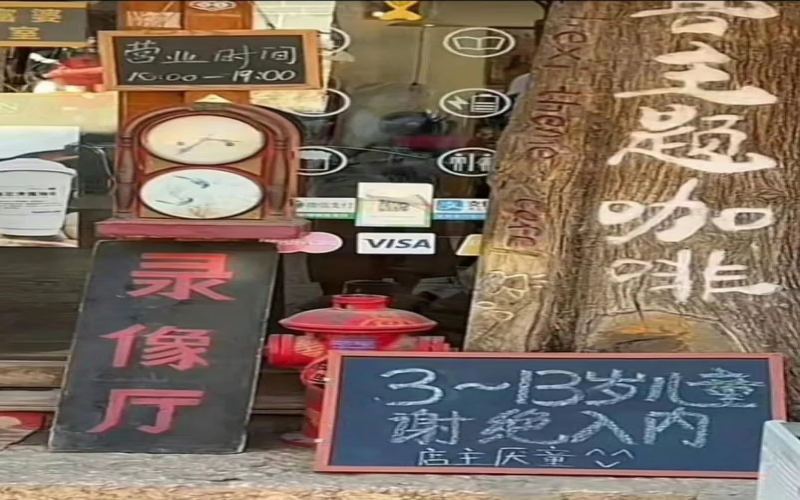
Recently, two incidents of coffee shops refusing to serve children have caused a stir online. On one side, a coffee shop in China put up a notice at its entrance reading "Children aged 3 to 13 are not admitted," with the owner openly stating they "dislike children"; on the other, South Korea's increasingly common "No Kids Zone" has once again become a topic of discussion, with some establishments even posting signs reading "dog yes, kids no." Supporters argue that coffee shops are meant to stay quiet and that businesses have the right to avoid risks; opponents criticize the signs as discriminatory. What social nerves does this debate about "child aversion" actually touch? And what predicament of public space is reflected in the "bratty kids' parents" that young people complain about? [more…]

Hougou Coffee's restructuring draft rejected: Yunnan coffee giant with 11.5 billion yuan in debt reaches a fateful crossroads
The once Chinese domestic coffee giant Hogood Coffee now stands at a crossroads of life and death. The draft reorganization plan failed to pass due to opposition from the financial institution group and the secured creditor group, meaning this Yunnan coffee enterprise, which once managed over 200,000 mu of planting area and had annual revenue as high as 5.691 billion yuan, may permanently exit the stage of history. From supplying instant coffee raw materials to international brands such as Nestlé and Maxwell, to Chairman Xiong Xiangren being sentenced for the crime of unit bribery, Hogood's rise and fall epitomizes a dramatic chapter in Yunnan's coffee industry. This article will sort through the entire process of Hogood Coffee from its highlight to its predicament, presenting its debt crisis, reorganization vote, and the details of the criminal judgment behind it, for the reference of coffee enthusiasts and industry practitioners. [more…]
A video of mulberry juicing in the back kitchen of ChaPanda has sparked heated discussion, with employees complaining that the fresh fruit preparation process is like a horror movie scene.
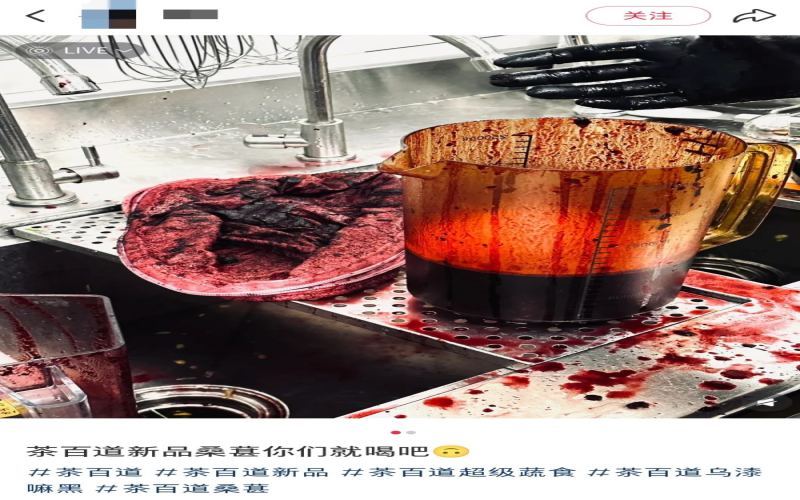
The daily work life of milk tea shop employees has always been a hot topic on social media, but recently a post by a ChaPanda employee unexpectedly went viral because the kitchen scenes were too "creepy." Dark red mulberry juice covered the counter, blender, and filter bags, and combined with the scene of black gloves squeezing the juice, many netizens said it looked like a horror movie. It is understood that these scenes come from ChaPanda's daily operation of freshly squeezing mulberry juice when preparing ingredients for products such as "Wu Qi Ma Hei" and "Triple Berry Goodnight Cup." Because mulberries are high in anthocyanins and have a deep color, the juicing process is not only time-consuming and labor-intensive, but also very likely to stain clothes and the work area. Employees have complained one after another on social media, and even turned these scenes into jokes such as the "ChaPanda Mulberry Man-Eating Incident" to share, triggering a lot of resonance. [more…]

NOWWA × Jindi Co-branded Houttuynia Americano: Fish Mint in Coffee Sparks Polarized Debate
The coffee chain brand NOWWA recently teamed up with Jindi, a brand of Houttuynia cordata mixture, to launch a Houttuynia cordata Americano, and the news immediately took many netizens by surprise. Houttuynia cordata, also known as fish mint, has a distinctive fishy and bitter aroma that has always inspired strong feelings of love or hate. Is this special drink made with real ingredients or is it just a gimmick? Judging from feedback on social platforms, no medicinal ingredients were added to the drink, only fresh chopped Houttuynia cordata and lemon slices, but the soaked Americano still carried an unmistakable herbal flavor. Some people said after one sip that they were "almost carried off," while others picked out the herbs at the bottom of the cup and chewed them carefully, exclaiming that it was addictive. This article takes you through the real taste of this collaboration coffee, customer reviews, and the brand's drinking reminders. [more…]
Nayuki's ninth-anniversary limited-edition figurine falls apart on contact with water, with hot-melt adhesive assembly becoming the focus of quality concerns.
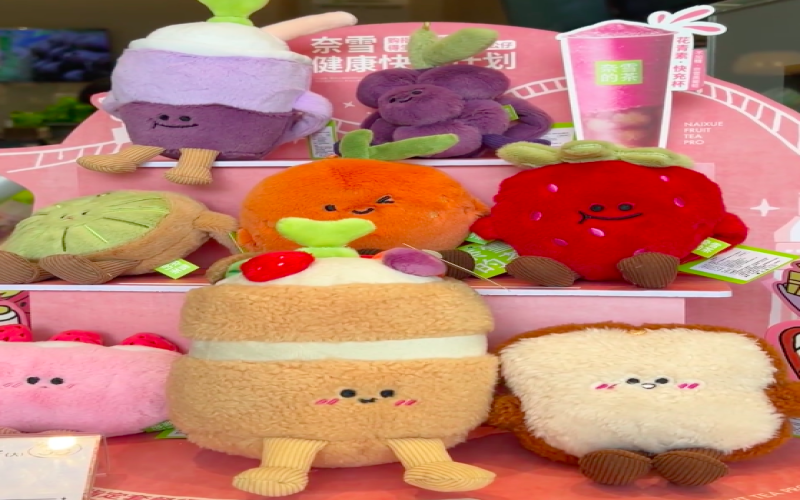
Nayuki launched limited-edition plush dolls for its ninth-anniversary birthday season, attracting a large number of fans to snap them up. However, after a consumer put a newly bought grape plush into the washing machine to clean it, the doll fell apart completely, turning from a whole bunch into scattered individual "grapes." This was not an isolated case; several other users also reported that parts fell off the plush after washing and drying. The reason is that these dolls are bonded with hot-melt adhesive rather than sewn, and the label clearly states they must not be washed in water. In addition, some consumers received "hidden edition" dolls with missing or incorrect facial expressions, sparking widespread dissatisfaction with the quality control of the merchandise. [more…]
From Ethiopian Shepherds to Arab Monks: The Legend of Coffee Bean Origins and the Evolution of the Coffee Name
Behind a single cup of coffee lies a legend spanning thousands of years. From the Ethiopian goatherd Kaldi discovering the red berries in the 5th century AD, to coffee first entering the Arab world through Yemen, and then qahwa evolving into today's coffee, what kind of journey has the name of coffee undergone? This article sorts through the three great legends of coffee's origin—the goatherd story, the legend of the Arab monk Omar, and the romantic adventure of the French officer Gabriel de Clieu risking his life to bring coffee saplings to Martinique—to take you through the romance of coffee as it moved from the silent forest to the world. At the end is a selected recommendation from Front Street Coffee, adding a professional guide to your coffee journey. [more…]
From Bach to Van Gogh: amusing anecdotes and classic quotes from 15 Chinese and foreign celebrities obsessed with coffee
Since coffee was introduced to Europe, it has formed an indissoluble bond with countless literati, musicians, and philosophers. Balzac drank tens of thousands of cups of coffee while writing La Comédie Humaine, Beethoven insisted on using 60 beans per cup, and Voltaire downed 50 cups a day... These astonishing stories not only reflect the unique charm of coffee but also record little-known daily habits of famous figures. Front Street Coffee takes you through time and space to review the coffee obsessions and classic quotes of 15 famous names including Bach, Franklin, Kierkegaard, and Van Gogh, savoring the cultural anecdotes behind a cup of coffee. [more…]
Woman Extorted a Popular Milk Tea Brand Ten Times by Complaining About Foreign Objects in Takeout, Sentenced to One Year and Three Months in Final Appeal
A woman surnamed Zhang used the excuse of finding hair in takeaway milk tea to file ten compensation claims against multiple outlets of the same milk tea chain within just over a month, using the same photo six times, and collected more than 15,000 yuan in total. The merchants initially chose to compromise to protect the brand image, but as similar complaints appeared frequently, the brand's loss prevention department launched an investigation and called the police. Police arrested the woman on her eleventh complaint, and the court ultimately sentenced her to one year and three months in prison, suspended for one year and six months, and a fine of 5,000 yuan for extortion. The case exposes the phenomenon of some consumers abusing the tenfold compensation clause of the Food Safety Law to file malicious claims, and also sounds a warning bell for the catering industry in handling similar disputes. [more…]

Luckin Coffee's Halloween limited-edition Pumpkin Oat Latte hits the market, with consumers saying it tastes like pumpkin porridge, sparking heated discussion.
On the eve of Halloween, Luckin Coffee launched a limited-edition new product in collaboration with Pingu—the Pumpkin Oat Latte—which attracted many consumers to place orders and try it right away. However, the drink's appearance and taste sparked widespread discussion on social media. Some found the pumpkin aroma rich, while others complained that it was more like a sweet, thick pumpkin porridge, even joking that pairing it with a roujiamo would make a complete breakfast. This article will sort through the formula features of this new product, consumer feedback, and the controversy surrounding holiday limited-edition products, to help you understand why this cup of pumpkin latte makes people both love and hate it. [more…]

How hard is coffee latte art really? The real journey from clumsy to expert
Latte art is a skill that many coffee lovers both love and hate. From steaming your first pitcher of milk foam, to pouring清晰 patterns, to casually sketching shapes, behind it all are countless failures and hours of practice. Some people find the feel after just two or three tries, while others practice for a long time and still can't pour a complete heart. This article takes you through those hilarious failed attempts, and also discusses what latte art really means: it's not just a pattern, but the reward that comes from persistence. Is there a quick way to master it? Of course there is, but the prerequisite is being willing to put in the effort. Front Street Coffee walks with you, moving steadily forward on the path of passion. [more…]

Weight-loss coffee keeps making headlines for all the wrong reasons, yet it's still selling like hotcakes on social media—with the banned ingredient sibutramine illegally added.
After specialty coffee became popular, the claim that coffee helps with fat loss spread widely, but the real prerequisite for it to be effective is drinking black coffee with no sugar and no milk, along with a sensible diet and moderate exercise. However, many people can neither control their eating nor get themselves to move, so weight-loss coffees swooped in under slogans like "no exercise, no dieting, no injections or pills, one cup a day and you'll lose over ten jin in thirty days." These products often have no ingredient list, no production information, and no Chinese labeling, yet they sell briskly through channels such as WeChat resellers and Xiaohongshu. After drinking them, consumers commonly experience thirst, nausea, palpitations, and other reactions, and some have even tested positive for the banned drug sibutramine. This article reviews related cases and court rulings to remind everyone to be wary of weight-loss coffees of unknown origin and to view the relationship between coffee and fat loss scientifically. [more…]
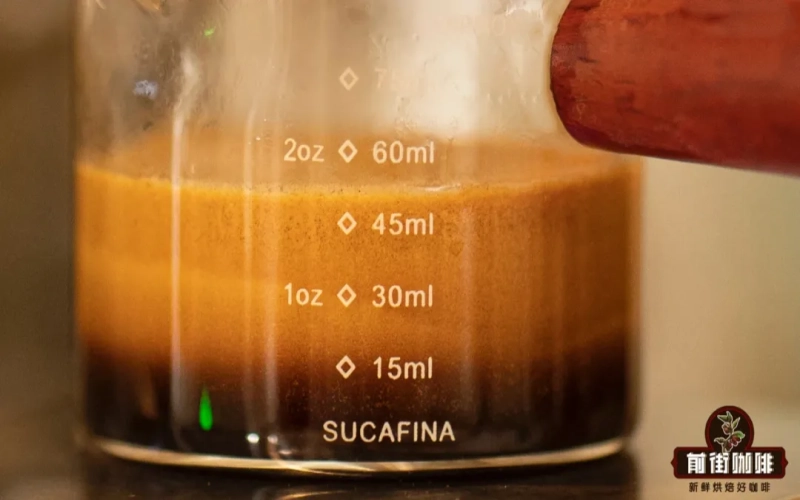
If you place a filter paper at the bottom of the portafilter basket, what changes will occur to the espresso's fines and extraction yield?
In the making of espresso, fines have always been a love-hate presence. They may bring rich crema, but they can also clog the portafilter basket, slow down the flow, and add bitterness. There are two common methods for removing fines on the market: one is to skim off the surface crema after extraction, which is simple and direct; the other is to pre-place a moistened circular filter paper at the bottom of the portafilter basket. The latter sounds gentle, but does it really not interfere with extraction? Front Street conducted a comparative experiment for this: the same 20 grams of coffee, 40 milliliters of liquid weight, one regular extraction, and one with filter paper added at the bottom. The result was that the cup with filter paper took less time, and both concentration and extraction yield were slightly lower, but the fines almost disappeared, and the taste was cleaner. This shows that adding filter paper is indeed feasible, but the grind or parameters must be readjusted to make up for the lost flavor. [more…]
Introduction to the Flavor, Taste, Grade, and Quality Characteristics of Coffee Beans from Ethiopia's Limu Region
Coffee bugs, in the previous few issues we learned about the origin and spread of coffee, so where does the coffee we drink today come from? Next, follow Little One to explore coffee-producing regions around the world~ Currently there are 53 major coffee-producing regions globally, all distributed within the Coffee Belt 『25°N~30°S』. Based on the spread timeline of specialty coffee and the flavors of the origins, we can roughly group these regions into three major categories: Old World old-fashioned flavor category, New World improved flavor category, and Oceanic island flavor category. In this issue, Gain Knowledge will first present the Old World coffee introduction~ Countries that already had Arabica varieties before the 17th century are called the "Old World," led by Ethiopia (Ethopia), with Yemen (Yemen) and India (India) as followers. These three ancient coffee countries retain the most diverse Arabica bean gene pool and traditional natural processing method. Their coffee flavor spectrum is broad and complex, with the greatest amplitude: from rough earthy, woody, leathery, medicinal, and fermented tofu off-flavors, to charming jasmine, cinnamon, cardamom, clove, pine and fir, mint, lemon, citrus, berry, apricot, smoked plum, chocolate... thousands of aromas and flavors, both good and bad, constructing an old-fashioned flavor spectrum that makes people love and hate it at the same time. Ethiopia has the world's most diverse coffee cultivation system and a complex ancient superior gene pool, plus diverse processing methods including natural, washed, and semi-washed, presenting complex and changeable flavors. It can be said that the "flavor spectra" of coffee-producing regions around the world can mostly be tasted here, reflecting Ethiopia's all-embracing "king's flavor." The push of the third wave of specialty coffee [more…]